

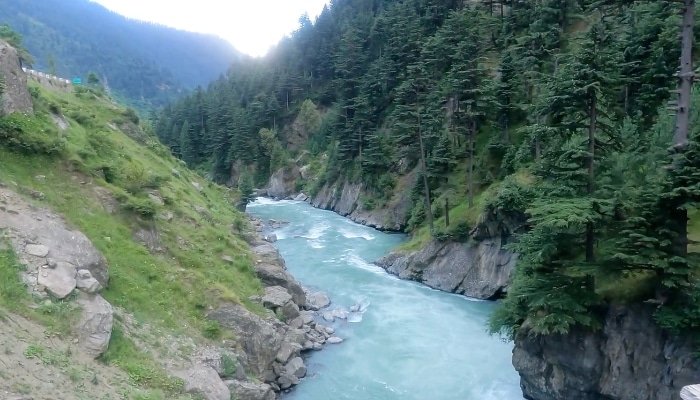
Best Places to Visit in Naran Kaghan 2026
Quick Facts — Best Places to Visit in Naran Kaghan (2026)
- Peak season: June to September (all major attractions open)
- Must-see: Saif-ul-Mulook Lake, Lulusar Lake, Babusar Top, Shogran, and Siri Paye
- Babusar Top status (June 2026): Open since 27 May 2026; daylight travel only from 7 AM to 6 PM
- Jeep fares (2026): PKR 4,500–5,000 one-way from Naran to Saif-ul-Mulook (Jeep Union rates)
- Best base: Walnut Riverside Resort, MNJ Road, Kaghan Valley
- Mobile networks: Telenor and Zong offer the strongest coverage in Naran and Kaghan
Best Places to Visit in Naran Kaghan (2026)
Kaghan Valley stretches 155 km through Khyber Pakhtunkhwa’s Mansehra District, rising from the subtropical foothills at Balakot (995 m) to the high alpine pass of Babusar Top (4,173 m). Within that corridor sits one of Pakistan’s densest concentrations of natural beauty: glacial lakes, alpine meadows, mountain passes, and the roaring Kunhar River.
This guide covers every major attraction with accurate 2026 data — elevations, distances from Naran, current jeep fares, access conditions, and honest difficulty ratings. Whether this is your first trip or your fifth, use it as your on-the-ground reference.
All Attractions at a Glance — 2026 Comparison
Use this table to plan your days before arriving:
| Attraction | Elevation | Distance | Best Season | Access (2026) | Difficulty |
|---|---|---|---|---|---|
| Saif-ul-Mulook Lake | 3,224 m / 10,578 ft | 9 km from Naran | June–Sep | Jeep from Naran bazaar (PKR 4,500–5,000 one-way) | All levels — jeep ride to the lake |
| Lulusar Lake | 3,410 m / 11,188 ft | ~50 km from Naran | June–Sep | Jeep / own car to the road | Easy — road-accessible |
| Babusar Top | 4,173 m / 13,691 ft | ~65 km from Naran | Late May–Oct | Jeep essential — open 7 AM–6 PM | Moderate — drive only |
| Shogran | 2,362 m / 7,749 ft | ~3.5 hrs from Balakot | May–Oct | Drive to Kiwai, jeep up | Easy — family-friendly |
| Siri Paye Meadows | 2,895 m / 9,498 ft | 6 km from Shogran | June–Sep | Jeep from Shogran | Moderate — short jeep + walk |
| Ansoo Lake | 4,245 m / 13,927 ft | Trek from Saif-ul-Mulook | July–Aug best | Trek only (7–8 hrs from Saif-ul-Mulook) | Strenuous — experienced trekkers |
| Dudipatsar Lake | 3,800 m / 12,467 ft | ~50 km + 6–8 hr trek from Besal | July–Aug best | Jeep to Besal, then trek | Strenuous — overnight camp needed |
| Lalazar Plateau | 3,200 m / 10,499 ft | 2 km jeep from Batakundi | June–Sep | Jeep from Batakundi | Easy — scenic meadow drive |
| Kewai Waterfall | ~1,900 m | Between Balakot & Kaghan | May–Oct | On main N-15 road — park & walk | Very easy — roadside |
| Naran Bazaar & Kunhar River | 2,427 m / 7,963 ft | Town centre | May–Oct | Walking | Easy — town stroll |
Distances are measured from Naran Bazaar unless otherwise noted. Jeep fares are 2026 estimates — always confirm at the stand.
1. Saif-ul-Mulook Lake — The Crown Jewel of Kaghan
Elevation: 3,224 m (10,578 ft)
Distance from Naran: 9 km by jeep track (45 min each way)
Best time to visit: June to September
Jeep fare (2026): PKR 4,500–5,000 one-way | ~PKR 8,000–10,000 return with 1.5 hr wait
Saif-ul-Mulook is Pakistan’s most iconic alpine lake — a glacial basin at 3,224 meters, hemmed in by the towering face of Malika Parbat (5,290 m), the valley’s highest peak. On a clear morning, the lake’s turquoise water mirrors the entire ridgeline, producing one of the most photographed scenes in the country.
The lake sits inside Saif-ul-Mulook National Park and was recognized by The Guardian as the fifth-best visitor destination in Naran Kaghan. It is named after a legendary Persian prince — a tale retold in verse by the Sufi poet Mian Mohammad Bakhsh — and the folklore is half the atmosphere.
How to get there
Hire a 4×4 jeep from Naran Bazaar. The Jeep Union controls fares and sets a fixed rate — negotiation is limited. The track is 9 km of steep, unpaved switchbacks. Personal vehicles (sedans, SUVs) are strongly discouraged; the track is genuinely rough, and jeep drivers know every turn. The ride takes 40–45 minutes each way.
A full hiking option (3–4 hours each way) exists from the trailhead near Naran but is physically demanding and requires an early start. Most families and first-time visitors take the jeep.
What to do at the lake
- Boating: Rowboats available for PKR 700–900 per person (half-circuit) or PKR 1,000–1,500 for a full circuit. Prices are per person, not per boat.
- Camping: Overnight camping is a magical experience under the Milky Way — bring a quality sleeping bag rated to at least 5°C.
- Horse riding: Horses available near the shore for a short circuit.
- Photography: Arrive before 8 AM for calm water and no shadow lines. Malika Parbat reflects most clearly in the early morning.
Do not drink the lake water — it is mineral-rich and can cause stomach issues. Carry your own water or buy sealed bottles at the food stalls near the shore.
Visitor tips
- Arrive early: By 10 AM, jeeps fill the track, and the shore becomes crowded. A 6:30–7:00 AM departure from Naran is ideal.
- Dress in layers: It can be 25°C in Naran and 12°C at the lake. A fleece is essential.
- Book the jeep the evening before: Ask your hotel to arrange — this avoids bazaar haggling in the morning.
2. Lulusar Lake — Source of the Kunhar River
Elevation: 3,410 m (11,188 ft)
Distance from Naran: ~50 km (1.5–2 hrs by road)
Best time to visit: June to September
Access: Road-accessible — own vehicle or jeep
Lulusar is the largest natural lake in Kaghan Valley and the source of the Kunhar River — the lifeline of the entire valley. Unlike Saif-ul-Mulook, Lulusar sits right on the Babusar Top road, meaning you can stop here in a regular vehicle without hiring a specialist jeep. This road’s accessibility makes it an ideal quick stop on the drive to Babusar Top.
The lake’s surface is wide and reed-fringed, mirroring the surrounding ridgelines on calm days. It receives far fewer visitors than Saif-ul-Mulook, giving it a quieter, more contemplative atmosphere — prized by photographers and nature lovers. Wildflowers in blue and gold bloom along the shore in July and August.
Visitor tips
- Most efficient plan: combine Lulusar with Babusar Top on the same day — stop for 30–40 minutes on the way up, continue to the pass, return via the same road.
- Bird watchers: The reed-fringed shoreline hosts several migratory species during summer.
- Photography: The best light is morning, with mountains directly behind the lake from the roadside viewpoint.
3. Babusar Top — The Highest Accessible Point in Kaghan Valley
Elevation: 4,173 m (13,691 ft)
Distance from Naran: ~65 km (1.5–2 hrs by jeep)
2026 status: OPEN — Babusar Top opened 27 May 2026. Daylight travel only: 7:00 AM to 6:00 PM.
Best time to visit: Mid-June to late September (post-opening; peak clarity)
Babusar marks the northern boundary of Kaghan Valley and the border between Khyber Pakhtunkhwa and Gilgit-Baltistan. At 4,173 meters, it is the highest point in the valley that can be reached by vehicle — and on a clear day, the view extends across multiple mountain ranges, including a distant glimpse of Nanga Parbat.
The pass connects Naran (via the N-15) with Chilas on the Karakoram Highway. Travelers heading to Hunza, Gilgit, or Skardu often use Babusar as a scenic shortcut, cutting the Diamer-to-Mansehra journey from 14 hours (via KKH) to 7 hours.
2026 opening update
Babusar Top Road was opened on 27 May 2026 after winter clearance operations cleared over 21 glaciers on the Naran side and snow avalanches on the Diamer side. NHA and the Diamer district administration worked together to reopen the pass. Diamer Police have established checkposts at the top, and mobile towers are functional, providing internet connectivity at the summit.
Current operating hours: 7:00 AM to 6:00 PM daily. No night travel permitted. Travelers are advised to drive with caution due to residual snow on the roadside, particularly in June. Verify conditions on the day of travel — weather can close the pass briefly at any point.
What to expect at the top
- 360-degree mountain views: Two sides of two different provinces visible simultaneously.
- Roadside chai stalls: Local vendors sell salt-cooked corn (makai), chai, and snacks — a tradition at the pass.
- Snow: Even in June and early July, significant snow remains on the roadside. Some visitors walk onto snow patches for photos.
- Wind: Cold and strong even in midsummer. A windproof layer is essential — not optional.
Important safety notes
- No night travel: Strictly enforced. Descend before 6 PM.
- 4×4 recommended: While cars can reach the top in mid-season, a high-clearance vehicle or jeep is strongly preferred — especially in June when road sections may be icy or muddy.
- No fuel beyond Naran: Fill your tank in Naran Bazaar before departing.
- Weather changes fast: A clear morning can turn cloudy by noon. Start early.
4. Shogran & Siri Paye Meadows — Alpine Meadows Above the Valley
Shogran elevation: 2,362 m (7,749 ft)
Siri Paye elevation: 2,895 m (9,498 ft)
Distance from Balakot: ~3.5 hours via the Kiwai route
Best time: May to October
Shogran is a plateau at 2,362 meters, usually visited as a stop before or after the main Naran valley. From Shogran, jeeps access Siri Paye — a broad alpine meadow at 2,895 meters with open valley views, grazing horses, and a sense of vastness that is different from the enclosed lake basins higher up.
Many families who find Saif-ul-Mulook’s jeep track too rough prefer Shogran and Siri Paye, which offer beautiful mountain scenery at a less extreme altitude. The area also has a chairlift and several tea spots.
Access in 2026
Drive to Kiwai junction (on N-15). Take a jeep up to Shogran (PKR 3,000–4,000 each way). From Shogran, a second jeep covers the 6 km track to Siri Paye (PKR 1,500–2,000). The track from Kiwai is 10 km. Allow half a day for a comfortable visit; a full day if you want to explore Shogran separately.
Visitor tips
- Best for families: gentler terrain and lower altitude than Saif-ul-Mulook. Good for children and elderly travelers.
- Trekking: The trail from Siri Paye toward Makra Peak (one of the most accessible trekking summits in KPK) starts here — a full-day hike for fit walkers.
- Photography: Early-morning mist in the meadow clears by 9 AM, revealing crisp mountain views.
5. Ansoo Lake — For Experienced Trekkers Only
Elevation: 4,245 m (13,927 ft)
Trek duration: 7–8 hours from Saif-ul-Mulook (one-way)
Best time: July to August
Access: Trek only — no motor access. Guide mandatory.
Ansoo means ‘teardrop’ in Urdu — a name earned by the lake’s distinctive shape, visible from the high ridges above. Sitting at 4,245 meters, Ansoo Lake is one of the highest lakes in Pakistan and one of the most remote destinations in the Kaghan Valley.
The trek begins at Saif-ul-Mulook Lake and involves 7–8 hours of steep climbing, glacier crossings, and exposure to unpredictable weather. This is not a route for beginners or casual hikers. The reward is a profound sense of solitude, a teardrop-blue lake wrapped in snow-flecked ridges, and an experience that very few visitors in the valley ever reach.
Practical notes
- Guide: Mandatory. Hire in Naran Bazaar or arrange through your hotel. Guide fees: PKR 2,000–3,000 per day.
- Season: July and August are the only safe months — snow is clearing, and weather windows are longest.
- Fitness: Requires serious cardiovascular fitness and experience with high-altitude trekking.
- Equipment: Trekking boots, trekking poles, a warm sleeping bag, and a rain shell are non-negotiable.
- Overnight: Many trekkers camp near Ansoo Lake and return the next morning. Bring your own tent and supplies.
- Weather check: Check the night before and again on the morning of departure. Turn back if clouds close in.
6. Dudipatsar Lake — The Queen of Lakes
Elevation: 3,800 m (12,467 ft)
Trek duration: 6–8 hours from Besal (one-way); multi-day trip
Best time: July to August
Access: Jeep to Besal, then trek. Guide strongly recommended.
Dudipatsar — ‘dudi’ meaning white, ‘sar’ meaning lake — is named for the permanent snow that keeps its surrounding peaks white even in peak summer. It sits in the Lulusar-Dudipatsar National Park, a protected area that also shelters ibex, markhor, marmots, and the occasional snow leopard.
The lake is described by experienced trekkers as the most scenically exceptional lake in the Kaghan Valley, surpassing even Saif-ul-Mulook in raw natural beauty. It is also the least-visited of the major lakes, precisely because reaching it requires a multi-day commitment.
How to visit
- Drive to Besal: From Naran, approximately 50 km by jeep (PKR 6,000–8,000) to Moon Restaurant at Besal, the trailhead.
- Trek to camp: The trail to Mulla ki Basti (the campsite before the lake) is 10 km long and takes 6–8 hours to complete.
- Day 2: Explore Dudipatsar Lake from the camp, then retrace to Besal (4 hours back).
- Total time: A minimum of 2 nights / 3 days from Naran, including travel to and from Besal.
Visitor tips
- A guide is essential: Trails are not marked clearly. A local guide from Naran prevents wrong turns.
- Horse rental: Available at Besal for carrying gear — useful for families attempting a lighter version.
- Drone photography: Some of the most dramatic aerial landscape shots in Pakistan are taken here.
- Wildflowers: July is peak bloom — meadows around the lake are carpeted in color.
7. Lalazar Plateau — The Easy Meadow
Elevation: ~3,200 m (10,499 ft)
Distance from Batakundi: 2 km by jeep track
Best time: June to September
Lalazar is a broad alpine meadow 2 km from Batakundi village (16 km north of Naran). A short jeep ride from the main road delivers you to wide-open grassland with panoramic views of the upper valley. Potato fields occupy parts of the plateau — a working agricultural landscape with mountains as a backdrop.
Lalazar requires no significant hiking and no specialist vehicle skills. It is an excellent alternative for days when Babusar Top or Saif-ul-Mulook are too crowded, and works well as a quiet morning addition to the Lulusar-Babusar Top day.
8. Naran Town & Kunhar River — Your Base
Elevation: 2,427 m (7,963 ft)
Distance from Mansehra: ~82 km
Naran is the hub of all activity in the upper Kaghan Valley. Set along the Kunhar River, the town has hotels across all price ranges, a busy bazaar selling handmade jewelry, Chitrali shawls, and dried fruits, and a strip of restaurants serving fresh Kaghan trout, karhai, and local herbal tea.
In the evenings, the riverside is worth a long walk — the sound of glacial water, bonfires at some hotels, and the alpine air make it one of the more enjoyable parts of any Naran trip. Most day trips leave from here and return here; the town functions as the perfect base.
Important: There is no bank in Naran town. Withdraw cash in Mansehra or Abbottabad before arriving. Some hotels accept cards, but jeep drivers, guides, and shops are cash only.
9. Kewai Waterfall — The Perfect Drive-By Stop
Location: On the N-15 road, between Balakot and Kaghan Town
Access: Roadside park-and-walk — no jeep needed
Kewai Waterfall is a glacier-fed cascade right on the main N-15 highway, making it one of the easiest stops in the valley. Pull over, walk to the falls in under 5 minutes, and cool off in the mist. A small cafe sits nearby. Most tour packages include a refreshment stop here on the return journey.
It is particularly enjoyable on a hot drive up from Balakot when the mountain road is still gaining elevation and the temperature is only beginning to drop. Good for children and a natural leg-stretch break.
Jeep Fares & Access Guide (2026)
The table below consolidates the current 2026 Jeep fares for all major attractions. All fares are approximate and negotiation is limited where Jeep Unions operate. Confirm at the stand on the day.
| Route | One-Way Fare | Return Fare | Notes (2026) |
|---|---|---|---|
| Naran to Saif-ul-Mulook | PKR 4,500–5,000 one-way | PKR 8,000–10,000 return | Jeep Union controls fares — limited negotiation. Round trip with a 1.5 hr wait ~ PKR 8,000–10,000. |
| Kiwai to Siri Paye | PKR 3,000–4,000 one-way | PKR 6,000–7,000 return | Hire at the Kiwai junction. The fare from Shogran to Siri Paye is an additional PKR 1,500–2,000. |
| Naran to Lulusar Lake | PKR 4,000–5,000 one-way | PKR 7,000–9,000 return | Combine with Babusar Top for a full-day trip to save on jeep hire. |
| Naran to Babusar Top | PKR 5,000–7,000 one-way | PKR 10,000–14,000 return | Longer drive — 65 km, 1.5–2 hrs each way. Full-day hire around PKR 14,000–18,000. |
| Batakundi to Lalazar | PKR 1,500–2,000 one-way | PKR 3,000–4,000 return | Short and easy — 2 km jeep track. Good add-on while passing Batakundi. |
| Trek to Ansoo Lake | Guide PKR 2,000–3,000/day | — | No motor access. Hire a guide in Naran. The trek starts from Saif-ul-Mulook. |
| Trek to Dudipatsar | Guide PKR 2,500–3,500/day | — | Jeep to Besal first (PKR 6,000–8,000). Guide mandatory. Overnight camp needed. |
Budget tip: hiring a jeep for an entire day (PKR 14,000–18,000 for a full-valley day) often works out cheaper and more flexible than hiring per-trip, especially if you plan to cover Lulusar, Babusar Top, and Lalazar in one go.
3-Day Itinerary from Naran(Just for Idea)
This plan covers the four most popular attractions in a logical sequence that minimizes backtracking and maximizes early-morning timing at crowded spots.
| Stop | What to Do | Tips | |
|---|---|---|---|
| Day 1 | Arrival + Naran Bazaar | Drive from Lahore/Islamabad. Check in to Walnut Riverside Resort on MNJ Road. Evening walk along the Kunhar River. Buy snacks and arrange jeeps for Day 2 before dinner. | Arrive before sunset. Pre-book a jeep for Saif-ul-Mulook at the hotel reception. |
| Day 1 | Optional: Kewai Waterfall | Stop on the drive up — 15-minute detour on the N-15, no jeep required. | Great for children; easy roadside walk. |
| Day 2 | Saif-ul-Mulook Lake | Depart by 6:30–7:00 AM for calm water and no crowd. Jeep ride, 45 min each way. Boating available (PKR 700–900 per person). Return by noon. | Go early — it crowds up fast by 10 AM. |
| Day 2 | Shogran & Siri Paye (PM) | Drive to Kiwai, hire a jeep up to Shogran. Another jeep to Siri Paye meadows. Horses available. Return by 5 PM. | Optional add-on — only if Saif-ul-Mulook is done by midday. |
| Day 3 | Lulusar Lake + Babusar Top | Depart 6:30 AM. Stop at Lulusar Lake (30–40 min). Continue to Babusar Top (open 7 AM–6 PM, daylight travel only). Return to Naran by 4–5 PM. | Carry warm layers and water. No fuel beyond Naran — fill up the night before. |
| Day 3 | Lalazar Plateau (alternative) | If Babusar Top is off-limits, take the jeep from Batakundi to Lalazar Plateau instead — a quieter meadow with valley views. | Good backup option in bad weather. |
Add a 4th day for Dudipatsar Trek (requires overnight at Besal camp) or a slow Kunhar River morning with fresh trout breakfast and Lalazar Plateau in the afternoon.
Best Time to Visit Naran Kaghan — Month-by-Month (2026)
| Month | Rating | Conditions | Watch Out For |
|---|---|---|---|
| May | ⭐⭐⭐ | Shogran, lower Kaghan open. Saif-ul-Mulook accessible by late May. Babusar Top opened on 27 May 2026. | Snow possible on high tracks. Babusar may require chains early in the month. |
| June | ⭐⭐⭐⭐⭐ | All major spots open. Long days. Saif-ul-Mulook at its clearest. Babusar snow still visible — dramatic views. | Book accommodation 2–4 weeks ahead. Crowds build after 10 June. |
| July | ⭐⭐⭐⭐ | Valley lush and green. Ansoo Lake best accessed July–August. White-water rafting peak. | Monsoon rains possible. Carry rain gear. Check the MNJ Road after heavy rain. |
| August | ⭐⭐⭐⭐ | Dudipatsar Lake is best in the month of. Wildflowers peak. Independence Day weekend was very crowded. | Avoid Eid and 14 August if you dislike crowds. Road delays on long weekends. |
| September | ⭐⭐⭐⭐⭐ | Crowds thin significantly. Clear skies for photography. Temperatures are ideal (10–22°C at Naran). | Best month overall. Book by August as word spreads. |
| October | ⭐⭐⭐ | Autumn colors, golden light, and few tourists. Pass closures begin late October. | Verify Babusar Top status before planning. Some hotels close by mid-October. |
| Nov–Apr | ❌ | MNJ Road and the upper passes are closed. Naran largely inaccessible to tourists. | Winter is not recommended for general visitors. |
For most first-time visitors, June or September is the optimal month. June has fresh snow on the peaks and lush greenery beginning. September has the clearest skies, thinnest crowds, and ideal conditions for photography.
Essential Travel Tips for Naran Kaghan
Getting There
- From Lahore: ~640–680 km via M-2 and Hazara Expressway. Plan 12–14 hours.
- From Islamabad: ~300 km via Hazara Expressway and N-15. Allow 6–7 hours.
- Bus services: Daewoo Express to Mansehra year-round (PKR 4,500–5,500 from Lahore); then local transport to Naran.
Money
- No ATM in Naran town. Withdraw cash in Mansehra or Abbottabad.
- Budget: PKR 3,000–5,000 per person per day covers guesthouse, food, and shared jeeps.
- Mid-range: PKR 8,000–15,000 per day with hotel, private jeep hire, and meals.
Connectivity
- Telenor and Zong offer the best signal in the towns of Naran and Kaghan.
- Signal drops sharply above the bazaar and disappears on most trekking routes.
- Download offline Google Maps before leaving Mansehra.
Safety
- No night driving: Mountain roads have no lighting and sharp blind turns. Return to your hotel before dark.
- Landslide alert: In July–August, check road status after heavy rain before setting out.
- Altitude awareness: Naran is at 2,427 m. Saif-ul-Mulook is at 3,224 m. Babusar Top is at 4,173 m. Ascend gradually. Watch for headache, dizziness, or nausea.
- Carry Diamox (acetazolamide) if you are sensitive to altitude; consult a doctor before travel.
Where to Stay in Naran Kaghan
Walnut Riverside Resort sits on MNJ Road along the Kunhar River in Kaghan Valley. The location is central: 5 minutes from Naran Bazaar and the main jeep stand for Saif-ul-Mulook, Siri Paye, and Babusar Top — while keeping you in a quieter riverside setting away from bazaar noise and congestion.
Room categories: Suites, Exclusive Rooms, Chalets & Villas, and Huts & Cottages — for solo travelers, families, and groups. On-site Cafe de Zar handles breakfast and meals, which matters when you arrive after a 12-hour drive or return exhausted from a full-day jeep circuit.
Contact: +92 343 000 6002 | info@walnutriversideresort.com | walnutriversideresort.com
Frequently Asked Questions
What are the best places to visit in Naran Kaghan?
The signature attractions are Saif-ul-Mulook Lake (a turquoise glacial lake at 3,224 m, 9 km from Naran), Lulusar Lake (source of the Kunhar River, road-accessible at 3,410 m), Babusar Top (the highest accessible pass at 4,173 m — open since 27 May 2026), and Shogran & Siri Paye Meadows (alpine plateau, good for families). For serious trekkers, Ansoo Lake and Dudipatsar Lake are the most spectacular and least-crowded destinations in the valley.
When does Babusar Top open in 2026?
Babusar Top opened on 27 May 2026. The pass is currently open for daylight travel only — 7:00 AM to 6:00 PM. Residual snow remains on the roadside in June; caution is advised. The pass typically stays open until late October, when snowfall closes it again.
How much does a jeep cost from Naran to Saif-ul-Mulook in 2026?
The Jeep Union controls fares at Naran Bazaar. A one-way fare from Naran to Saif-ul-Mulook Lake is PKR 4,500 to 5,000. A return trip with 1.5 hours waiting time at the lake costs approximately PKR 8,000 to 10,000. Negotiation is limited due to union pricing. Book through your hotel the evening before to save time.
Can a regular car (sedan) reach Saif-ul-Mulook?
No. The jeep track to Saif-ul-Mulook is unpaved, steep, and rocky. Only purpose-built 4×4 jeeps should be used. Your own vehicle — including SUVs — is strongly discouraged. Drive your car to Naran, park at the hotel, and hire local jeeps for all-day trips above the valley floor.
How many days are enough for Naran Kaghan?
Three days cover Saif-ul-Mulook, Shogran/Siri Paye, Lulusar, and Babusar Top comfortably. A fourth day removes the time pressure and allows for a slow morning or a visit to the Lalazar Plateau. Allow a fifth or sixth day if you plan the Dudipatsar trek (which requires overnight camping near Besal).
What is the best month to visit Naran Kaghan?
June and September are the best individual months. June brings open passes, lush green valley, and snow still visible on the peaks — a dramatic combination. September offers clear skies, thin crowds, and ideal photography conditions with the best daytime temperatures. July and August are the busiest months, but also the most vibrant — expect crowds on Eid and public holiday weekends.
Is Ansoo Lake suitable for beginners?
No. The Ansoo Lake trek begins at Saif-ul-Mulook Lake (at 3,224 m) and climbs to 4,245 m over 7–8 hours through steep, rugged terrain with glacier crossings. It requires serious trekking fitness, proper gear, a local guide, and a willingness to overnight if conditions change. First-time visitors to the valley should target Saif-ul-Mulook and Babusar Top before considering Ansoo.
Is October a good time to visit Naran?
Early October can be excellent — fewer tourists, autumn colors beginning in the lower valley, crisp air, and clear skies. However, Babusar Top typically closes in late October, and some accommodations shut down by mid-October. Check the road and pass status before booking travel in October.
Which mobile network works best in Naran Kaghan?
Telenor and Zong provide the most reliable signal in Naran town and Kaghan town. Other networks (Jazz, Ufone) are weak above Balakot. On trekking routes to Ansoo Lake, Dudipatsar, and the upper Babusar road, the signal disappears entirely — download offline maps before leaving Mansehra.
Is it safe to travel to Naran Kaghan?
Yes. Naran is considered a safe destination for Pakistani and international travelers. The main precautions are practical: avoid night driving on mountain roads, carry cash, follow local advice on road conditions after rain, start mountain drives early, and hire guides for unmarked trekking routes. Police checkposts operate at Babusar Top and along the N-15 corridor.
Related Guides on walnutriversideresort.com
- Lahore to Naran Kaghan: Distance, Route & Complete Travel Guide (2026)
- Kaghan Weather Guide: Best Time & Monthly Tips
- Best Hotels in Naran Kaghan (2026 Comparison)
- How to Reach Walnut Riverside Resort, Kaghan
- Murree to Naran Kaghan Distance: Beginner Travel Guide
Author

Where to stay in Kaghan Valley
Make Walnut Riverside Resort your base in Naran & Kaghan
Riverfront rooms & suites on the Kunhar River, heated in winter, with Cafe de Zar dining on site. Book direct and skip the third-party commission.